AI-Driven Accessibility: The Role of On-Device Text-to-Speech Systems in Inclusive Digital Communication
Abstract
Text-to-speech (TTS) systems have emerged as the key to digital inclusion of blind and low-vision users due to the rising importance of artificial intelligence (AI) in accessibility and the development of technologies that allow it. The conventional cloud-based TTS services are very good in the quality of speech synthesis, which is limited in terms of latency, privacy and reliability especially when offline or in a low-bandwidth scenario. On-device TTS systems are based on AI models that have been optimized to work on mobile and desktop devices, with increased privacy and fewer latencies and responsibilities even in the absence of constant internet connectivity. The review of the recent progress of neural TTS models, on-device machine learning, and open-source accessibility engines like RHVoice and Piper can be seen as the reflection of its role in education, communication, and independent navigation by a visually impaired user. The new trends (such as multilingual assistance, customizing speech, being integrated in the multi-modal AI frameworks) suggest a bright future of the inclusive digital technologies. This article offers an overall, impartial view of on-device TTS systems as the key to accessible and fair digital communication by exploring the existing issues and prospects.
Keywords: Text-to-speech (TTS), on-device AI, accessibility, blind users, low-vision, neural TTS, RHVoice, Piper, inclusive digital communication, assistive technology
1. Introduction
Access to digital materials has been made one of the primary issues in facilitating inclusive education, communication, and inclusion of people with visual disabilities. Millions of individuals globally have difficulties in digital content accessibility, which is influenced by visual disabilities, meaning that new assistive technology should be developed (Das, 2025). Text-to-speech (TTS) systems have become one of the main pillars that allow blind and low-vision users to work with textual content in various cases of education, work, and daily life (Azhaguraja, Kumar, Paranthaman, and Kumar, 2025).
TTS systems transform written words into artificial speech and allow real-time audio access to information that is otherwise inaccessible. These capabilities support autonomous learning and effective communication (Yang and Taele, 2025; Rao et al., 2024).
The current technological improvements in artificial intelligence (AI) have played a major role in improving the functionality of TTS systems, especially the creation of the neural network-based models. Such models allow speech of high quality and natural sound and may be adapted to work on-device, eliminating the use of cloud services (Rao et al., 2024; Amiri, 2025). AI TTS systems on-device also have some unique benefits over cloud-based systems such as enhanced privacy, reduced latency, and the ability to work reliably even in offline or low-bandwidth conditions (Stelea, Robu, and Sandu, 2025; Davies and Desai, 2025). Inclusive digital communication is highly dependent on such capabilities and particularly in learning environments where real-time access to information can have an impact on learning outcomes (Muhoozi, n.d.; Eze and Anyanwu, 2025).
In addition to the aspect of accessibility, TTS systems have become more applicable in multilingual and diverse learning settings. AI-based multilingual TTS engines facilitate inclusive education through offering spoken content in several languages and, thus, language barriers are overcome as well as digital equity is promoted (Amiri, 2025; Muhoozi, n.d.; Shahid et al., 2025). RHVoice and Piper are the open-source engines commonly utilized in accessibility communities to deploy on-device TTS systems on a wide range of platforms, including Apple, and enable a greater number of people to access and adopt these technologies without a personal attachment to individual developers (Azhaguraja et al., 2025).
In spite of these developments, there are still problems with the optimization of TTS systems regarding mobile and desktop systems. On-device TTS applications may be limited by the computational resource, memory, and energy efficiency (Rao et al., 2024; Mastrandrea, 2024). Neural TTS and assistive technology continue to be the subjects of research to address these technical limitations and achieve natural speech synthesis (Das, 2025; Zdravkova, Krasniqi, Dalipi, and Ferati, 2022).
The purpose of the review article is to present a thorough overview of the current TTS systems, specifically, on-device AI implementation, accessibility effect, and current trends. Through a combination of the existing studies and practical use of AI-based TTS, the article emphasizes the potential of inclusiveness in digital communication between blind and low-vision users through the introduction of AI-based TTS, but also provides information about future research and development trends in the constantly changing environment.
Table 1: Global prevalence of visual impairment and potential beneficiaries of TTS systems
| Region/Area | Estimated Blind Population | Estimated Low-Vision Population (MSVI) | Potential Beneficiaries of TTS Systems |
|---|---|---|---|
| Sub-Saharan Africa | 5.1 million | 20.4 million | Educational, communication, navigation |
| North America | 0.7 million | 7.4 million | Educational, workplace, digital content access |
| Europe | 1.5 million | 15.4 million | Inclusive learning, professional settings |
| Asia-Pacific | 15.1 million | 83.1 million | Multilingual education, communication tools |
| Latin America | 3.7 million | 24.5 million | Educational and social inclusion |
2. Overview of Modern Text-to-Speech (TTS) Systems
Text-to-speech (TTS) systems have experienced a considerable change to occur throughout the last decades, where the primitive rule-driven speech synthesis has been replaced with highly advanced neural network-powered frameworks. These systems are an important part of assistive technology, especially when used by people with visual impairments, as they help them gain access to textual information on digital platforms and independently communicate, learn, and perform other activities of everyday life (Azhaguraja, Kumar, Paranthaman, and Kumar, 2025; Yang and Taele, 2025).
2.1. Historical Development of TTS Systems
The first TTS systems were based largely on concatenative or formant synthesis technology, or were based on the parameters of human vocal tract, because of which pre-recorded speech segments were spliced together (Rao et al., 2024). These methods were functional, but unnatural or robotic speech was frequent, so they could not be widely used in accessibility scenarios (Sharma, Kishor, Dwivedi, and Bhattacherjee, 2025). With the introduction of neural TTS models with the variants of WaveNet, Tacotron, FastSpeech, and other models, the area has transformed by producing more natural and understandable speech with expressive prosody and more fluent intonation (Amiri, 2025; Rao et al., 2024).
Neural TTS systems utilise deep learning systems to directly convert text inputs to audio waveforms such that they can generate speech with the properties of other voices, accents and languages very quickly. It is now possible to optimize these models to run on mobile and desktop devices, delivering the advantages of real-time synthesis of speech without the need to connect to the cloud (Stelea, Robu, and Sandu, 2025; Mastrandrea, 2024).
2.2. Importance for Accessibility
The contemporary TTS systems are critical in increasing digital inclusion among blind and low-vision individuals. TTS systems can convert textual information in documents, web pages, and applications into speech and allow users to work with educational resources, use the digital interface, and communicate in a professional and social environment (Yang and Taele, 2025; Eze and Anyanwu, 2025). The multilinguality also makes content related to users more inclusive by enabling them to read in many languages, which helps to promote various learning conditions and minimal obstacles to information access (Amiri, 2025; Muhoozi, n.d.).
Accessibility communities have also adopted on-device TTS solutions, like well-known open-source engines like RHVoice and Piper, to offer accessible, private, and offline speech synthesis services on devices like Apple platforms (Azhaguraj et al., 2025). The above solutions show that the current TTS technology is functional and flexible to the diverse requirements of end-users.
2.3. Core Components and Functionality
A modern TTS system is usually composed of three essential parts, text preprocessing, linguistic analysis, and waveform production (Rao et al., 2024; Shahid et al., 2025). Preprocessing of the text includes normalization of input text, expansion of abbreviations, and punctuation. Linguistic analysis involves conversion of phonemes, prediction of prosody and stress assignment. Lastly, the neural networks drive the generation of the audible speech signal by means of waveforms.
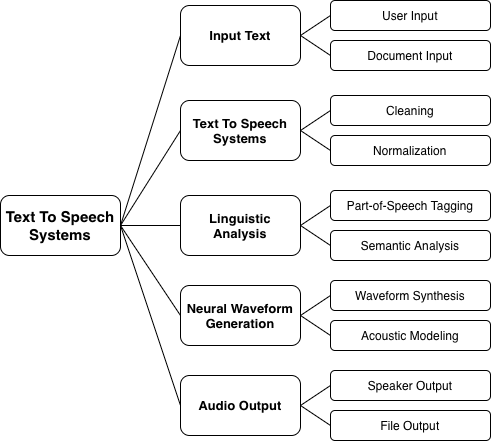
Figure 1. Modern Text-to-Speech (TTS) System Architecture
The diagram below shows the main blocks of a current TTS system based on neural generation of speech, i.e., text preprocessing, linguistic analysis, and synthesis of the neural waveform. The figure gives a broad-scale aerial view of the process of converting written text into synthetic speech to the applications of accessibility, in line with formal system frameworks outlined recently in the AI and assistive technologies literature.
| TTS Engine | Platform Compatibility | Language Support | On-Device Capability | Accessibility Community Adoption |
|---|---|---|---|---|
| RHVoice | Windows, Linux, iOS | Multiple languages | Yes | High |
| Piper | Linux, macOS, iOS | Multiple languages | Yes | Moderate |
| Other Proprietary Systems | Android, iOS, Cloud | Multiple languages | Partial | Low–Moderate |
| Table 2: Comparison of popular TTS engines and their features |
2.4 Limitations and Considerations
Even though it has improved significantly, contemporary TTS systems struggle to create very expressive speech that reflects emotional nuances, local accents, and tonal nuances (Amiri, 2025). Also, on-device applications should be able to manage both the computational load, memory, and energy efficiency, especially on mobile systems (Mastrandrea, 2024; Rao et al., 2024). The elimination of these limitations is also a goal of current research in neural TTS and AI assisted accessibility technologies.
3. Cloud-Based vs On-Device TTS
Text-to-speech (TTS) systems can be broadly categorized into cloud-based and on-device implementations, each representing a distinct computational model for speech synthesis. Understanding the differences between these two approaches is essential for evaluating their implications for accessibility, usability, and inclusive digital communication. As AI-driven assistive technologies continue to expand in relevance particularly for blind and low-vision users these distinctions inform design decisions, user experience expectations, and broader policy considerations regarding equitable access to digital tools (Das, 2025; Eze & Anyanwu, 2025).
3.1. Definitions: Cloud-Based vs On-Device AI
Cloud based TTS systems use distant servers to analyze text, create synthesized speech and supply audio output back to the end user computer. These systems can be included in larger cloud ecosystems and take advantage of large computational capabilities, which allow speech of high fidelity to be produced by large neural models (Rao et al., 2024). Educational platforms and conversational agents are also among the areas where cloud architectures are visible because they are easy to integrate and offer a high level of scalability (Stelea, Robu, and Sandu, 2025; Shahid et al., 2025).
However, in on-device TTS systems, the complete speech synthesis pipeline is executed on-device, either on a smartphone, computer or embedded device. As model compression, edge computing, and optimized neural architectures have become feasible, on-device AI allows generating speech in real-time without constant internet connectivity (Mastrandrea, 2024; Zdravkova et al., 2022). The rising ability of on-device TTS engine to serve multilingual, offline and privacy-aware accessibility apps is illustrated by open-source engines like RHVoice and Piper (Azhaguraja et al., 2025).
3.2. Latency, Reliability, Privacy, and Offline Access
Latency
One of the major distinctions between cloud and on-device TTS is latency. Cloud based systems incur delays which are network dependent because the text has to be sent, processed, and sent back as audio. As expensive cloud infrastructures might offer rapid responses, users in areas with poor connectivity will suffer major delays, which will destroy real-time accessibility use cases (Eze & Anyanwu, 2025). With on-device TTS, network round trips are eliminated, providing immediate response that is important to many tasks like reading a screen, navigation, and interactive learning (Yang and Taele, 2025).
Reliability
Cloud systems rely on the availability of servers and balanced internet connectivity which may create vulnerabilities in case of outages, bad bandwidth situations or limited environments (Sharma et al., 2025). In their turn, on-device solutions operate in any setting, even in those that lack an internet connection, which is also significant when it comes to supporting rural students, traveling, and people in low-connectivity areas (Muhoozi, n.d.; Azhaguraja et al., 2025).
Privacy and Data Security
The issue of privacy is a barrier among blind and low-vision users who regularly access their personal documents, bank statements, health information, and communicate contents with the help of TTS tools. Cloud-based solutions usually involve text-based communication with third parties server, which is a source of concern regarding the exposure of data, unauthorized access, or misuse (Das, 2025). On-device TTS can be used to address these risks because all text processing and speech synthesis will happen locally. This privacy-by-design design adheres to the modern principles of digital accessibility as well as the moral codes of conduct that focus on autonomy and privacy of individuals with disabilities (Davies and Desai, 2025).
Offline Access
A large number of learners and users do not have consistent and affordable internet across the world. Such situations mean that cloud-based TTS systems cannot be used, which restricts their applicability to inclusive education. On-device TTS will enable reading of textbooks, lecture notes, and content of communication materials offline, which will enable educational continuity and digital equity (Stelea et al., 2025; Yang and Taele, 2025).
3.3. Technical Constraints and User Experience Differences
Large and complicated neural models can be executed on cloud-based systems because there is virtually no limit to server resources. Such models tend to be more natural and expressive in their prosody (Amiri, 2025; Morzy, 2025). Nevertheless, this is a strength that is dependent on the external infrastructure and is also subject to possible privacy constraints.
On device TTS has to run within severe computational limits such as little to no CPU/GPU, memory and battery. Quantization, pruning, model distillation, and efficient architectures (e.g., FastSpeech variations) are some of the techniques that must achieve the performance thresholds without compromising the quality (Rao et al., 2024). Regardless of these limitations, current developments in edge AI have reduced the quality disparity between cloud and on-device synthesis by a significant factor (Mastrandrea, 2024).
From a user experience perspective, on-device TTS provides several key advantages, including instantaneous response, predictable performance, full accessibility during offline or travel scenarios, and enhanced privacy.
Cloud systems might still be a good choice where very high-fidelity synthesis is needed, or multilingual voice libraries are needed, or the enterprise is networked to the internet, and relies on the services of external vendors (Shahid et al., 2025; TARHOUNI et al., 2025).
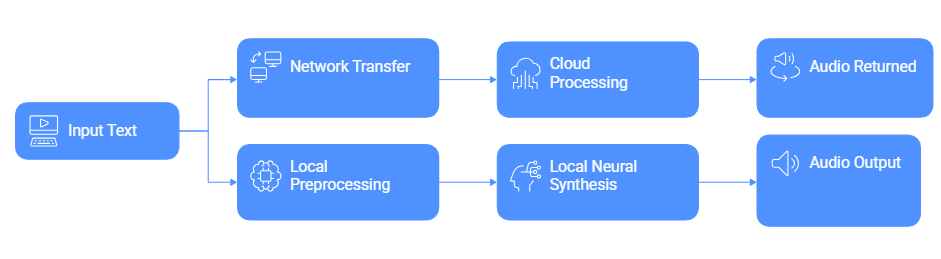
Figure 2. Workflow Comparison of Cloud-Based and On-Device Text-to-Speech Systems
The following diagram is a comparison of data flow and processing structure of cloud-based and on-device TTS systems. The cloud model directs the text input to a server on the other side of the network which processes them and sends synthesized audio back over the network. The on-device model, by contrast, does everything on the device allowing faster response times, offline capabilities and better privacy.
| Criterion | Cloud-Based TTS | On-Device TTS |
|---|---|---|
| Latency | Dependent on network; may fluctuate | Instant, consistent |
| Reliability | Vulnerable to outages | Works anywhere, anytime |
| Privacy | Text sent to servers; risks exist | Fully private, local processing |
| Offline Access | Not available | Fully functional |
| Model Size | Supports large models | Constrained by device resources |
| Suitability for Accessibility | High quality but inconsistent | Stable, private, ideal for blind users |
| Table 3. Comparative Advantages and Limitations of Cloud-Based and On-Device TTS Systems |
4. Accessibility Impact for Blind/Low-Vision Users
Text to speech (TTS) is another of the most valuable assistive technology that has been helping blind and low-sighted individuals by allowing them to see the digital content in education, communication, movement, and independent living. The TTS solution has broadened in quality, responsiveness and accessibility value with the fast development of the artificial intelligence (AI) and the emerging TTS solutions especially those running an AI program on the device. These systems are now characterized by neural architectures, multilingual, designed with privacy-preserving principles, and device-level optimized systems, which is becoming a pillar of inclusive digital interaction (Das, 2025; Eze and Anyanwu, 2025).
4.1. TTS in Education, Navigation, and Communication
TTS is used in education to offer real-time solutions to textbooks, learning platforms, exams, and lecture content using audio. Screen readers that are driven by TTS are the main interface of digital-based teaching to blind learners, including recent AI-driven educational tools, like AccessiLearnAI, which use audio feedback as the means of achieving inclusive pedagogical results (Stelea, Robu, and Sandu, 2025). The literature indicates the specific advantages of creating learning resources in audio format with blind learners, particularly when speech delivery is provided offline and is adjusted to the individual learning requirements (Yang and Taele, 2025; Lopez-Gazpio, 2025).
Navigation activities, such as route guidance, object recognition, etc., also heavily rely on TTS based mobility aids. Spoken output is used in AI-packed navigation or ambient interaction systems to assist users in deciphering space, environment, and object-detection outputs (Ainary, 2025; Kavitha, 2025). Speech directions help ensure a safer and more independent environment through context-related information guidance when in a public setting, transit mode, or an unfamiliar area (Sharma et al., 2025).
Another area where TTS is a key area of critical accessibility is communication, where users can read messages, emails, notifications, professional documents, and social media content (Davies and Desai, 2025). As the use of conversational AI algorithms and smart voice assistants continues to increase, TTS is becoming more fully integrated into interactive and multi-modal communication platforms (Morzy, 2025; Qiu, 2025).
4.2. Multilingual and Offline TTS for Inclusive Digital Equity
Multilingual support enhances a lot of accessibility as the blind get a chance to access the content in various linguistic situations. Multilingual TTS based on AI works to increase understanding among bilingual learners, as well as promote the use of indigenous and underrepresented languages, and make communication in multilingual societies more inclusive (Amiri, 2025; Muhoozi, n.d.). Cross-cultural participation provided by multilingual voices can also be observed through academic and professional settings and strengthen the idea of digital equity (Eze & Anyanwu, 2025).
Offline is also an important feature. A significant proportion of users, especially in Sub-Saharan Africa and rural environments in the rest of the world, have poor connectivity and cloud based TTS is therefore not reliable or available. On-device TTS also provides constant reading, offline learning, and uninterrupted communication no matter the network conditions (Azhagurajan et al., 2025; Stelea et al., 2025). This benefit is particularly significant to those students, who rely on the regular access to educational resources.
4.3. Integration with Screen Readers and Accessibility Frameworks
VoiceOver, TalkBack, and Narrator are examples of screen readers that can be utilized as the foundation of digital accessibility by blind users. The frameworks are fully based on TTS and are utilized to speak out the user interface elements, the web content, the application states, and the interactive controls (Zdravkova et al., 2022). Low latency and high-quality speech output enhances faster navigation, user fatigue, and long duration interaction with the online service.
TTS is also compatible with the general principles of accessibility, such as WCAG accessibility and disability legislation in different countries, and it guarantees the compatibility of labels, alt text, and semantic structures with keyboard navigation facilities (Das, 2025). These standards help increase the interoperability of TTS with learning applications, business software and government portals.
4.4. Open-Source Engines Strengthening Accessibility Ecosystems
RHVoice and Piper are open-source on-device TTS engines which are now popular in accessibility communities all over the world. The RHVoice apps are also compatible with several languages and dialects on Windows, Linux and Apple, whereas the Piper is a lightweight neural synthesis that is optimized to operate offline and is compatible on desktop and mobile platforms (Azhaguraiyan et al., 2025). The fact that it is open-source and community-driven allows its adaptation to the languages of the specific region and full privacy of users as the text is handled in the country (Davies and Desai, 2025).
4.5 Neural TTS Models Underpinning Modern Accessibility
Recent developments in the neural TTS have been transformative in enhancing the naturalness and responsiveness of speech. There are three cornerstone architectures that prevail in the present systems:
WaveNet
An effective neural network that generates audio of high naturalness at the level of the waveform. It is not user friendly because it is complex to use on-device, yet it established the neural speech quality standard (Rao et al., 2024).
Tacotron 1 & 2
Sequence to sequence models that produce mel-spectrograms having fluid prosody and improved linguistic processing. Although Tacotron is less heavy than WaveNet, it should be optimized to use it on-device (Amiri, 2025).
FastSpeech and FastSpeech 2
Transformer models employed in real-time inference, which makes them the best in mobile and embedded TTS. They both provide a high quality of speech and allow them to deploy edges (Rao et al., 2024; Mastrandrea, 2024).
The neural models influence the experience of accessibility through the minimization of robotic tones, enhancement of intelligibility, and expressive reading in the learning and mobility sector.
| Model | Relative Size | Inference Speed | Speech Quality | On-Device Compatibility |
|---|---|---|---|---|
| WaveNet | Large | Slow | Very High | Low |
| Tacotron 1/2 | Medium | Moderate | High | Moderate |
| FastSpeech / FastSpeech 2 | Small–Medium | Fast | High | High |
| Table 4. Comparison of Representative Neural TTS Models and Their Suitability for On-Device Deployment |
4.6. Optimization of Neural TTS for Local Device Deployment
These models need to be optimized in locations to work on mobile or desktop devices:
Quantization allows to save weight accuracy in order to compute faster.
Pruning eliminates unnecessary parameters to smaller memory footprints.
Knowledge Distillation uses larger models as teacher models to train efficient models.
GPUs, DSPs, and neural accelerators can also be used in Hardware-Aware Optimization (Rao et al., 2024; Mastrandrea, 2024).
These solutions are energy friendly and responsive, which is crucial to blind individuals that need constant access to reading, navigating, and communicating equipment (Azhagurajan et al., 2025).
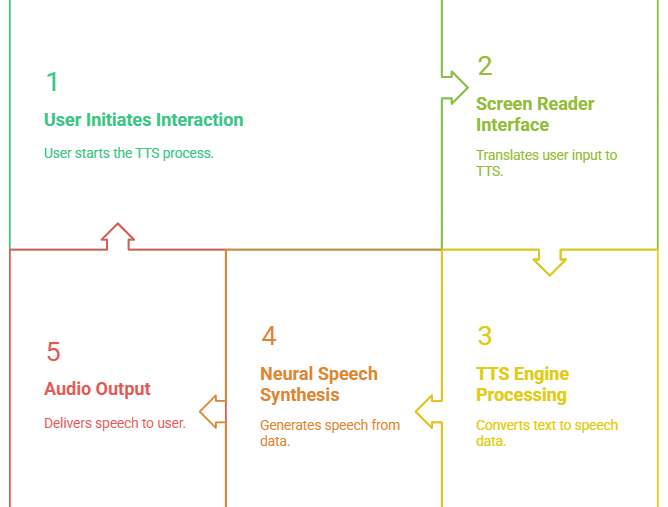
Figure 3. User Interaction Flow with On-Device Text-to-Speech in Accessibility Contexts
A drawing demonstrating the way blind users read and experience the content through a screen reader, which directs the text through an on-board TTS engine to generate instantaneous audio feedback to navigate the device, instruct or communicate.
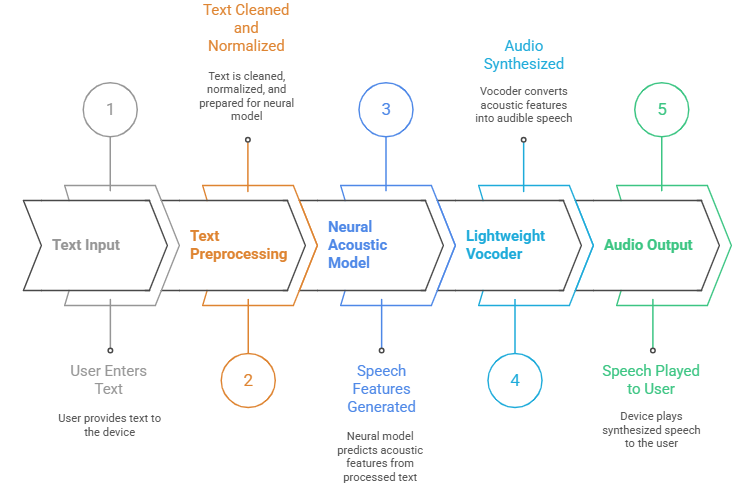
Figure 4. On-Device Neural TTS Pipeline with Optimization Methods
A diagram of the optimized TTS pipeline that is run on-device: text input, preprocessing, neural acoustic model, lightweight vocoder and optimization steps are quantization and pruning which allow efficient speech synthesis in real-time.
5. Real-World Use Cases
The use of text-to-speech (TTS) technologies is at the forefront of facilitating useful accessibility in various aspects of everyday life to the blind and the low-sighted. Due to the on-device AI becoming more and more popular with mobile and desktop environments, TTS apps are becoming more responsive, offer more offline access, and they are more privacy-conscious. Such capabilities find the reflection in various real-life areas such as education, mobility, and digital communication where AI-powered speech synthesis has become an essential tool that is being used to provide inclusive participation (Stelea, Robu, and Sandu, 2025; Yang and Taele, 2025).
5.1 Educational Applications: Offline Reading and Learning Access
Education remains one of the most significantly impacted domains in the adoption of TTS technologies, particularly for blind and low-vision learners who rely on screen readers to access textbooks, digital assessments, online courses, and instructional materials. Offline TTS can be used to prevent interruptions to educational content, especially on-device models, which are a great benefit in low-bandwidth areas (Eze and Anyanwu, 2025; Azhaguraja et al., 2025).
The AccessiLearnAI AI-powered education platform incorporates TTS to create inclusive audio-based learning platforms, which promote self-paced reading, comprehension, and personalized study (Stelea et al., 2025). The offline TTS will enable students to store the content and use it during the day, whereas the multilingual support will increase the inclusivity of those students who are bilingual or multilingual (Amiri, 2025; Muhoozi, n.d.). This alliance reinforces learning equality in a variety of educational settings.
5.2. Navigation and Mobility Tools
One of the key applications of TTS is in navigation applications where they are used to speak out directions, landmarks, and public transport information. These characteristics are essential for mobility independence, as they enable blind users to make sense of their environment in real time. On-device TTS is used in AI-based systems, like ambient interaction assistants and travel guidance applications, to provide information on obstacles, street names, bus routes, and environmental features to enhance both safety and situational awareness (Ainary, 2025; Kavitha, 2025; Sharma et al., 2025).
The fact that on-device TTS is not network-reliant also ensures that it can be used in underground transport, rural locations and areas with limited signal strength, where continuous mobility coverage is required. Moreover, the capability to handle sensitive information of location in close proximities helps to safeguard user privacy, which fits into the larger terms of disability rights and autonomy (Das, 2025).
5.3 Digital Communication and Everyday Interaction
Text-to-speech (TTS) also plays a crucial role in communication for blind and low-vision users, enabling access to messages, emails, documents, notifications, and web-based content. On-device neural TTS increases the productivity because the feedback is not delayed, and it is possible to interact more smoothly with productivity apps, workplace platforms, social media, and conversational AI systems (Davies and Desai, 2025; Morzy, 2025).
TTS can be used in professional settings to aid in attending meetings, accessing documentation at the workplace, and communicating with the enterprise communication services. This makes neural TTS models more natural and faster to process locally, which contributes to the reduction of listening fatigue and enhances the long-term engagement (Qiu, 2025).
TTS systems are also essential in e-book reading applications where speech speed can be adjusted, voice selection is also possible, and multilingual access is also provided, whether in self-education or recreational reading (Lopez-Gazpio, 2025).
5.4 Open-Source Contributions Supporting Accessibility Communities
On-device TTS engines like RHVoice and Piper have now become significant parts of real-world assistive ecosystems, as they are open-source and available by default on many assistive devices. RHVoice supports numerous screen readers and reading applications on Windows, Linux, Android, or Apple systems and has a variety of languages, as well as customizable voice output (Azhaguraj et al., 2025). Piper offers high-speed neural-quality speech synthesis at on-device speeds, allowing community developers to create lightweight, privacy-sensitive accessibility tools.
The accessibility communities widely adopt these engines due to the fact that they:
promote underrepresented and multilingual languages,
work fully offline,
and permit custom voices or community voice contributions and
allow open-source screen reader and application integration.
Their existence highlights how collaboration across proprietary ecosystems is taking place on the outside - enhancing access via openness, flexibility, and inclusive design (Davies and Desai, 2025).
| Application Type | Target Users | Example Functions | Typical Platforms |
|---|---|---|---|
| Educational Apps | Blind/low-vision students | Offline reading, course materials, assessment access | Mobile, desktop, tablets |
| Navigation Tools | Blind travelers & commuters | Spoken routes, landmarks, public transport info | Smartphones, GPS devices |
| Communication Tools | Students, professionals | Reading emails, messages, documents | Mobile and desktop OS |
| Reading Apps / E-book Tools | General visually impaired community | Adjustable speed reading, multilingual content | iOS, Android, Windows |
| Open-Source TTS Integrations (RHVoice, Piper) | Accessibility developers and users | Local TTS, custom voices, multilingual support | Linux, Windows, Apple platforms |
| Table 5. Representative Real-World Use Cases of On-Device Text-to-Speech in Accessibility Contexts |
6. Emerging Trends, Future Directions, and Ongoing Challenges
With the modern technologies of the AI-assistive systems moving forward, the text-to-speech (TTS) systems are experiencing an immense change, fueled by the innovations in the multimodal interaction, personalization, and language inclusivity. These changes indicate that an on-device TTS is more adaptive and context-aware, and it is worldwide accessible. Meanwhile, there are still practical issues, such as computing limits or ethical issues, which influence the future of accessibility technology in blind and low-vision users.
6.1 Multi-Modal AI for Enhanced Accessibility
One of the most significant trends in assistive technologies is the integration of multimodal AI, or a combination of text, speech, vision, and sensor data into more complete accessibility experiences. Using visual perception, audio processing and contextual reasoning, AI-powered systems are also gaining traction in assisting in complex tasks, like understanding the environment, object recognition, and human-computer interaction (Ainary, 2025; Kavitha, 2025; Lee et al., 2025).
Multimodal systems provide richer contextual and descriptive audio output. As an example, speech description of objects, places, and pictures can be created through the ambient interaction systems, AR-based system, and real-time visual translation platforms (Zhu, 2024; Natale, 2025). Coupled with on-device neural TTS, such systems can enable complete offline processing of textual and visual information, which guarantees the provision of privacy-protecting navigation and access to information.
6.2 Personalization and Adaptive TTS
Individual and scalable TTS will become a significant future focus towards improving the usability in everyday life. The user is different in terms of favored speed of speech, style of prosody, accent, and style of reading. New systems enable models to dynamically change the pitch, speed, emphasis and emotional tone to suit the user preferences or the contextual need (Qiu, 2025; Morzy, 2025).
On-device learning can also be extended to support adaptive personalization. In this approach, systems gradually learn user-specific speech preferences over time based on interaction patterns, such as preferred reading speed, emphasis, or content complexity. With the increasing personalization, the tools of access will be closer to a human-centered communication approach that will decrease the fatigue of listening and enhance the understanding (Davies and Desai, 2025).
6.3 Language Inclusivity and Support for Low-Resource Languages
Increasing language inclusivity is one of the key priorities of future TTS development, especially in the context of areas that have visually impaired citizens represented by low-resource languages. The concept of AI-driven multilingualism allows engaging a wider group of people in education, work, and communication in various language communities (Amiri, 2025; Muhoozi, n.d.).
An example of how community-driven development is useful in the addition of voices and languages otherwise unavailable in the commercial systems is open-source engines like RHVoice and Piper. In Africa, India, and Southeast Asia, where the language variety is great and commercial TTS services frequently do not provide local voice, language inclusivity is of particular importance (Eze and Anyanwu, 2025; Sharma et al., 2025).
Future versions are likely to include cross-lingual transfer learning, sharing strategies between phonemes and multilingual training corpora to enhance the coverage of low-resource languages.
6.4 Ethical Considerations: Privacy, Inclusivity, and Accessibility Standards
The future of TTS systems is determined by ethical concerns, especially with the increased infiltration of AI into everyday life. Key concerns include:
Privacy: On-device processing can be used to make sure sensitive data, including messages, academic content, or location-related data, is kept safe (Das, 2025).
Inclusivity: The systems should be created to accommodate different users who are socioeconomic, linguistic, and culturally diverse (Stelea et al., 2025).
Accessibility Standards: By conforming to standards like WCAG and ADA, the interoperability of TTS engines, screen readers and digital material is certain (Zdravkova et al., 2022).
Fairness in Language Support: Ethical AI must offer fair distribution of resources to traditionally underrepresented languages in the technology ecosystems (Amiri, 2025).
These considerations make sure that the developing TTS technologies must maintain an idea of digital rights, disability justice, and equitable access (Davies and Desai, 2025).
6.5 Ongoing Challenges and Limitations
Although there has been progress in AITT, there are major issues that remain unaddressed affecting the performance of the systems, their accessibility to all users across the world, and the user experience.
Computational and Memory Constraints
On-board TTS models have to run on gadgets that have a small amount of memory, processing units, and battery capacity. Although the optimization methods (quantization, pruning, distillation) can decrease the size of the model, it can also affect the quality of speech, especially at lower levels of precision (Rao et al., 2024; Mastrandrea, 2024). These restrictions restrict the use of bigger and more expressive models to entry-level smartphones.
Quality vs. Latency Trade-Offs
There is still a technical challenge of having high-quality and low-latency speech synthesis. Big neural models result in higher naturalness and slower processing time whereas faster models may not sound as expressive or slightly mechanical (Morzy, 2025). The trade-off between a natural and an intelligible appearance and real-time output is a continuing topic under investigation, particularly when visually impaired users need real-time output because it enables them to navigate and read the display (Yang and Taele, 2025).
Language Coverage and Global Inclusivity Issues
Despite the development of multilingual TTS, there are still hundreds of languages of indigenous, minority, and low resources that are not supported. High train data needs to prepare neural TTS models are a disadvantage to languages that do not have vast digital data (Muhoozi, n.d.; Amiri, 2025). The main solution to such an imbalance is investing in community-based datasets, voice banks based on open source, and area-specific accessibility programs (Eze & Anyanwu, 2025).
Adherence to Accessibility Standards
Most digital places fail to comply with accepted standards of accessibility. The inadequacy of web markup, the absence of alt text, the inaccessibility of applications, and the inconsistent compliance with the WCAG principles decrease the efficiency of TTS systems even in cases where high-quality speech synthesis is provided (Zdravkova et al., 2022). The future innovations in TTS should be aligned with the global standards on ensuring interoperability across different platforms, content type, and devices.
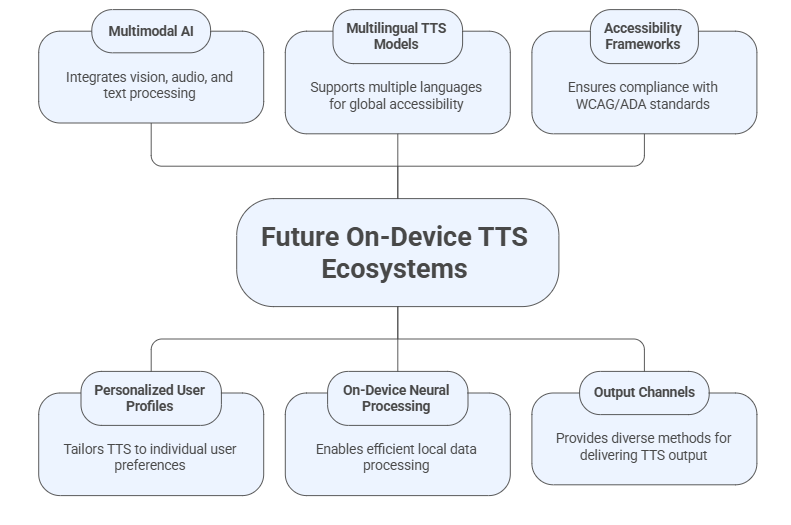
Figure 5. Conceptual Model of Future On-Device TTS Ecosystems
concept map of the future accessibility ecosystems in which on-device text to speech will be integrated with multimodal AI (text, speech, vision), personalization engines, support multilingual capabilities, and privacy-conscious design will ensure an all-encompassing and inclusive user experience.
| Emerging Trend | Description | Research Priority |
|---|---|---|
| Multimodal AI | Vision + text + audio for richer accessibility | High |
| Adaptive TTS | Personalized prosody, speed, and contextual emphasis | High |
| Low-Resource Language Support | New datasets and multilingual transfer learning | Very High |
| Privacy-Preserving AI | Fully local processing, encrypted models | High |
| Energy-Efficient Models | Reduced compute and battery use | Medium |
| Table 6. Predicted Technological Trends and Research Priorities for On-Device TTS |
7. Conclusion
Text-to-speech (TTS) technologies have gone a long way since rudimentary rule-based systems, to later and more sophisticated neural architecture systems that are able to produce natural, expressive and highly intelligible speech. This development has played a key role in creating a wider accessibility environment to blind and low-vision users, enabling them to perform critical tasks in the areas of education, navigation, communication, and daily living. The transition to on-device TTS is a landmark development as AI-based accessibility tools continue to become more ubiquitous in common digital space. On-device TTS systems solve several of the drawbacks of cloud-dependent systems, especially in poorly served areas where connectivity is restricted due to the lack of broadband and mobile signals.
The addition of neural TTS models e.g. WaveNet, Tacotron and FastSpeech to mobile and desktop devices further enhances the accessibility ecosystem as it provides enhanced quality speech in the computational limits of personal devices. Examples of the potential of community-driven innovation to increase language coverage, cover low-resource settings, and offer flexible and user-friendly accessibility solutions across a variety of platforms include open-source engines such as RHVoice and Piper.
Meanwhile, developing trends of TTS in accessibility are determined by new developments in multimodal AI, personalisation, multi-lingual inclusivity and privacy-conscious design. Such advances underscore the increasing ability of AI to not just generate speech, but also read between the lines, personalize itself to individual needs, and help provide a fair way of engagement in online spaces. Further studies are required to solve the outstanding issues, such as computing constraints, quality versus latency considerations, and language representation gaps, and to recognize compliance with the international standards of accessibility.
On the whole, the history of TTS development suggests the importance of its development in making digital communication more inclusive. With the convergence of AI, optimization of devices, and frameworks that enable the blind and those with limited vision, TTS systems will keep on empowering blind people and those with limited vision to be more independent, participatory, and equitable in the growing digital world.
References
Das, S. (2025). Navigating Accessibility Rights In The Age Of AI With Special Reference To Assistive Technologies-Challenges And Opportunities. International Journal of Creative Research Thoughts (IJCRT), ISSN, 2320-2882.
Stelea, G. A., Robu, D., & Sandu, F. (2025). AccessiLearnAI: An Accessibility-First, AI-Powered E-Learning Platform for Inclusive Education. Education Sciences, 15(9), 1125.
Zhu, W. (2024). Quiet Interaction: Designing an Accessible Home Environment for Deaf and Hard of Hearing (DHH) Individuals Through AR, AI, and IoT Technologies (Doctoral dissertation, OCAD University).
Eze, F. C., & Anyanwu, G. O. (2025). THE IMPACT OF ARTIFICIAL INTELLIGENCE ON EDUCATION FOR PERSONS WITH DISABILITIES IN SUB-SAHARAN AFRICA. International Nexus Multidisciplinary Research Journal, 1(2), 171-191.
Muhoozi, K. AI-Powered Multilingualism: Enhancing Inclusive Education through Language Diversity.
Davies, T. C., & Desai, S. (2025). Empowering Voices: The Role of Emerging Technologies in Workplace Inclusion for Individuals with Speech Impairments. Beyond Tech Fixes: Towards an AI Future Where Disability Justice Thrives, 89-114.
Amiri, S. M. H. (2025). Beyond language barriers: Multilingual NLP and voice recognition for global connectivity. International Journal of Science and Research Archive, 15, 406-419.
Sharma, M., Kishor, I., Dwivedi, A., & Bhattacherjee, A. (2025). Smart Devices for Augmenting Sensory Perception Empowering Differently-Abled Individuals Through Advanced Assistive Technologies. In Integrating AI With Haptic Systems for Smarter Healthcare Solutions (pp. 441-466). IGI Global Scientific Publishing.
Zdravkova, K., Krasniqi, V., Dalipi, F., & Ferati, M. (2022). Cutting-edge communication and learning assistive technologies for disabled children: An artificial intelligence perspective. Frontiers in artificial intelligence, 5, 970430.
Mastrandrea, M. (2024). Developing an AI-Powered Voice Assistant for an iOS Payment App (Doctoral dissertation, Politecnico di Torino).
Kanungo, T., Aswini, S., Neha, S., & Ramasamy, V. (2025, November). Hand Speak: An AI-Powered Real-Time System for Sign Language Recognition and Seamless Translation. In International Conference on Computer Science and Communication Engineering (ICCSCE 2025) (pp. 2946-2958). Atlantis Press.
Azhaguraja, R., Kumar, K. A., Paranthaman, C. V., & Kumar, A. (2025, April). Assistive Technologies for Blind and Visually Impaired Individuals--A Short Review. In 2025 3rd International Conference on Advancements in Electrical, Electronics, Communication, Computing and Automation (ICAECA) (pp. 1-6). IEEE.
Lopez-Gazpio, I. (2025). Integrating Large Language Models into Accessible and Inclusive Education: Access Democratization and Individualized Learning Enhancement Supported by Generative Artificial Intelligence. Information, 16(6), 473.
Natale, D. (2025). Bridging the Communication Gap: A Mobile App for Seamless Integration of Sign Language in Real-Time Video Communication (Doctoral dissertation, Politecnico di Torino).
Tembine, H., Bamia, I., NDong, M., Coulibaly, B., Traore, O. I., Traore, M., ... & Coulibaly, B. L. A. (2025). Breaking the Barriers of Text-Hungry and Audio-Deficient AI. arXiv preprint arXiv:2506.02443.
Yang, C., & Taele, P. (2025). AI for Accessible Education: Personalized Audio-Based Learning for Blind Students. arXiv preprint arXiv:2504.17117.
Rao, G. S., Naveen, V., Kumar, P. A., Aakash, S., & Sandeep, S. (2024). Accelerating Text-to-Speech Conversion with FPT AI an End-to-End Performance Study. Macaw International Journal of Advanced Research in Computer Science and Engineering, 10(1s), 77-85.
TARHOUNI, M., BENGHARSALLAH, R., AOUNALLAH, N. N., & ZIDI, S. (2025). Enhancing Smart Tourism through Conversational AI and Real-Time Visual Translation.
Ainary, B. (2025). Audo-Sight: Enabling Ambient Interaction For Blind And Visually Impaired Individuals. arXiv preprint arXiv:2505.00153.
Shahid, A., Kliks, A., Al-Tahmeesschi, A., Elbakary, A., Nikou, A., Maatouk, A., ... & Shuai, Z. (2025). Large-scale AI in telecom: Charting the roadmap for innovation, scalability, and enhanced digital experiences. arXiv preprint arXiv:2503.04184.
Morzy, M. (2025). Spoken Language Processing: Conversational AI for Spontaneous Human Dialogues (Vol. 1205). Springer Nature.
Qiu, J. (2025). Voice and Beyond: Shaping the Future of Personalized Conversational Agents (Doctoral dissertation, OCAD University).
Kannojia, R., Singh, A. K., Sharma, I., & Gupta, S. (2025). Gen AI Driven Multilingual Audio Dubbing and Synthesis System for Cross-Language Video Platforms. Results in Engineering, 106241.
Don, J., Vishal, S., Dhanushkodi, L., Dinesh, R., & Sathiya, M. (2025, June). A Smart AI-Driven Heritage Guide: Enhancing Tourism. In 2025 6th International Conference on Intelligent Communication Technologies and Virtual Mobile Networks (ICICV) (pp. 329-335). IEEE.
Kavitha, T. (2025). Video Captioning on Edge as Blind Assistant System: Machine Learning. In Modern Digital Approaches to Care Technologies for Individuals With Disabilities (pp. 361-372). IGI Global Scientific Publishing.
Kral, R., Jacko, P., & Vince, T. (2025). Low-Cost Multifunctional Assistive Device for Visually Impaired Individuals. IEEE Access.
Lee, G., Shi, L., Latif, E., Gao, Y., Bewersdorff, A., Nyaaba, M., ... & Zhai, X. (2025). Multimodality of ai for education: Towards artificial general intelligence. IEEE Transactions on Learning Technologies.
Al-Eidarous, W., Alsiyami, A., Aljabri, M., Alqethami, S., & Almutanni, B. (2024). ExamVoice: Innovative Solutions for Improving Exam Accessibility for Blind and Visually Impaired Students in Saudi Arabia. Applied Sciences, 14(19), 8813.